


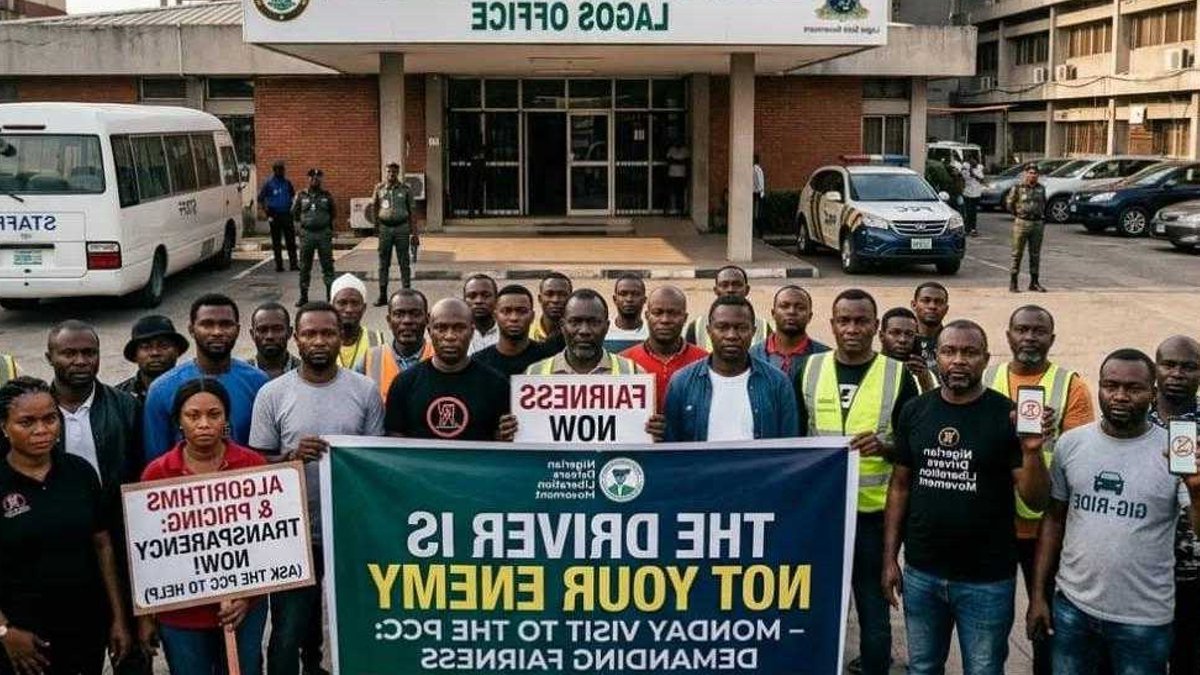
AUATON has publicly challenged inDrive‘s claim of a “long‑term commitment to Nigeria,” urging the platform to deliver measurable benefits for drivers.
Union says words must turn into wages
The union’s Lagos State Public Relations Officer, Comrade Steven Iwindoye, issued a written statement after inDrive told Technext it would stay in the market following Uber’s exit.
Uber ceased operations in Nigeria and Uganda on 2 September 2026, citing shifting business priorities after more than ten years.
AUATON’s national leaders had already blamed that departure on what they described as an exploitative model and warned that Bolt and inDrive could face the same fate without genuine collective bargaining.
“A commitment that does not improve driver welfare is simply a commitment to the market, not necessarily to the people,” Iwindoye wrote.
He said real markers of commitment include fair and sustainable fares, improved earnings, transparent commissions and meaningful driver representation.
Related: inDrive pledges long-term commitment to Nigeria after Uber exit
Drivers shoulder most costs
Iwindoye noted that drivers cover fuel, maintenance, insurance and vehicle depreciation, while platforms retain control over pricing and passenger access. “A cheap ride for the passenger must not become a poverty ride for the driver,” he said.
In the broader ride‑hailing sector, driver earnings often determine a platform’s stability; history shows that when drivers feel squeezed, loyalty can evaporate quickly.
The union urged platforms to engage, listen to and negotiate with organized drivers “now,” rather than waiting until dissatisfaction becomes unmanageable. He characterized the current arrangement as “modern‑day economic exploitation.”
inDrive’s pricing defence
inDrive told Technext it charges one of the lowest service fees in the market, around 10%, and leaves final pricing to be agreed directly between drivers and passengers instead of using an algorithm.
The company operates in Lagos, Abuja, Port Harcourt, Benin City, Ibadan, Owerri and Enugu. Iwindoye’s statement does not dispute that pricing model but insists that fairness must show up in driver earnings, not just in the mechanics.
Closing the statement, the union asked a direct question: “What exactly will your commitment do to put more money in the pockets of Nigerian drivers and give them a more dignified life?”


