


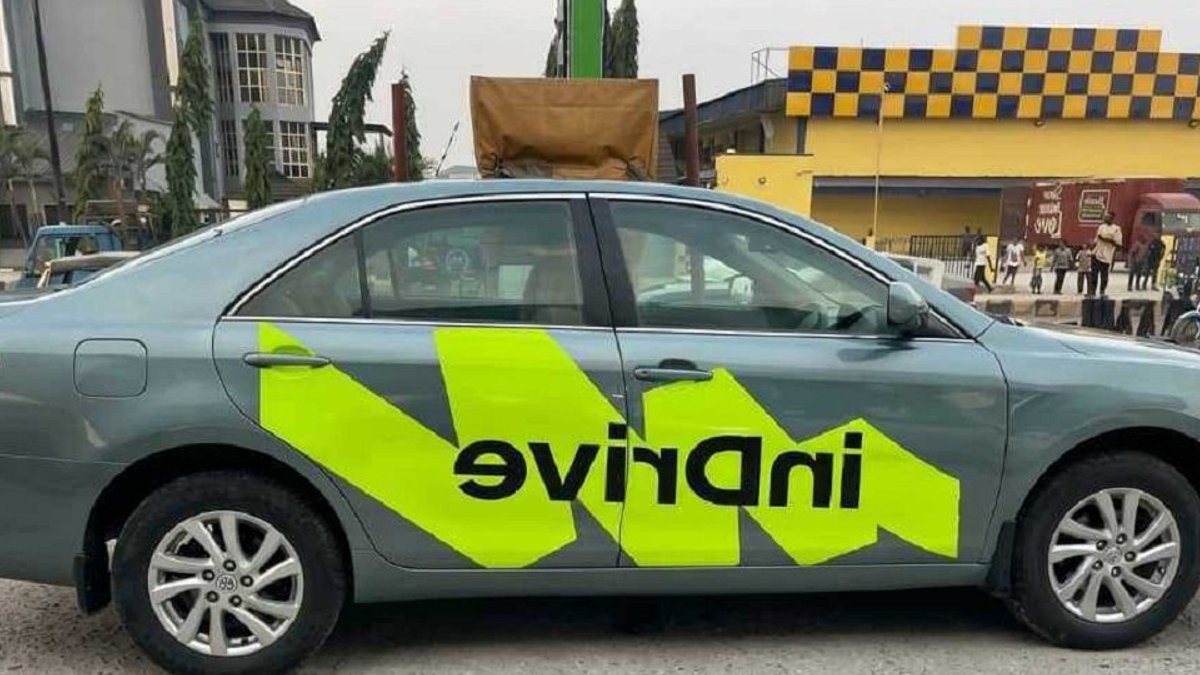
inDrive has confirmed its long-term commitment to the Nigerian market, stating that the company is here to stay following Uber’s decision to shut down operations. This disclosure, delivered in response to a Technext query, comes just hours after the ride-hailing giant exited the country. The company says Uber’s departure came as a surprise, noting that the competitor has been a significant force in the local setting.
inDrive officials described Uber as a strong competitor and emphasized that competition drives the company to continuously improve its products and services. The firm argues that its existing investments demonstrate a commitment to the region that goes beyond a temporary presence. The company currently operates in major cities across the nation, including Lagos, Abuja, Port Harcourt, Benin City, Ibadan, Owerri, and Enugu. This wide geographic footprint reflects the depth of the firm’s presence and its focus on serving a diverse population.
Related: Anchor celebrates four years expanding Africa’s financial networks
Timothy Oladimeji, the inDrive Country Representative in Nigeria, explained the mechanics of the platform’s pricing model. Unlike traditional ride-hailing platforms, inDrive does not use algorithms to set ride prices. Instead, the final price is determined directly between the driver and the passenger. The company says it offers one of the lowest service fees in the market, at around 10 per cent. This structure gives both parties greater control and allows them to agree on a price that works for them.
The company has established a broad local offering beyond its core ride-hailing service, including Economy and Courier services. inDrive plans to continue expanding its platform to address the evolving needs of Nigerian users and drivers. Recently, the firm launched a Comfort category to improve service quality. It also introduced One Click to make the user experience more seamless and added TukTuk to address micro-mobility needs.
Officials noted that the firm has already made significant investments in Nigeria and remains committed to further investing in service quality, safety, and local communities. The company is also developing solutions for mobility investors and fleet owners. These solutions aim to help vehicle owners put their assets to productive use and create additional earning opportunities through the platform. inDrive has explicitly welcomed drivers and investors who may be affected by Uber’s exit to join its network.
Related: OPay to sue over false shutdown claims
While the company frames this move as a strategic expansion, there are practical challenges in replacing a dominant player. Uber’s departure leaves a gap in the market that requires more than just a lower commission rate to fill. The firm will need to prove that its driver base and service reliability can scale quickly enough to meet the demand left by its competitor. Without a seamless transition for both drivers and riders, the new entrant might struggle to capture the market share that Uber is leaving behind.
“Our goal is to provide drivers with flexible earning opportunities while ensuring passengers continue to have access to affordable, reliable and increasingly diverse mobility services,” inDrive said.

